 Türkçe
 English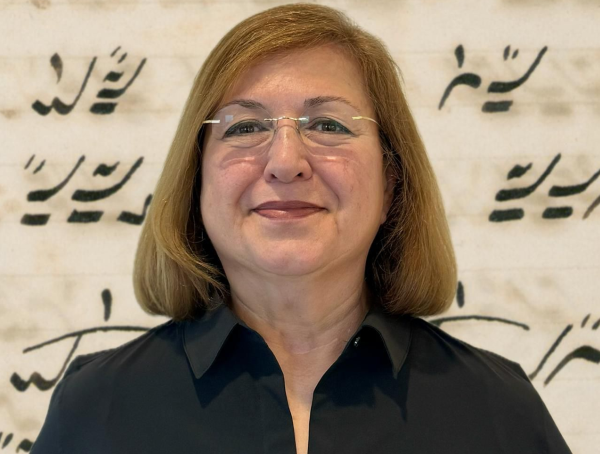
The Continuity of Turkish Musical Tradition and Mevlevi Rituals
Turkish Music Tradition’s Continuity and Mevlevi Âyin Ceremonies — examines how Turkish musical heritage persists in Mevlevi ritual forms, their symbolic, musical, and historical dimensions
The Mevlevi ayin stands at the heart of Turkish religious music. The flow of the four selâms, the progression of the makam, and the order of the usûl generate meaning within the semâ gathering; breath and silence unite with the timbre of the instruments, and the language of worship emerges. Instrumental interludes carry signs within this whole; they open the path and keep memory alive. Each selâm has its own internal dramaturgy and establishes continuity from the opening to the moments of resolution.
This course examines the structure of the âyin-i şerîf through a clear framework: the function of the selâms, the main makam transitions, the usûl pattern, cadence points, and principles of performance discipline. The roles of the ney, kudüm, tanbur, and kanun, as well as their interplay, are demonstrated through sample recordings and references to treatises. The principles of breath discipline and phrasing within the meşk tradition are explained through concrete examples. Short listening guides are provided for each selâm, and key transitions and cadence markers are clarified through guided listening.
Participants will gain a “listening map” that enables them to follow an ayin from beginning to end and to see clearly how Mevlevi ayins carry the tradition forward. In this way, they will hear the threshold where form and intention meet and learn to recognize the signs that bear the memory of the tradition. While preserving the continuity of the repertoire, the Mevlevi ayin also offers a ground that remains open to renewal in contemporary performance.
Dr. Zehra Tülin Değirmenci is an academic and educator specializing in musicology. After completing her undergraduate and master’s studies at Dokuz Eylül University Faculty of Fine Arts, Department of Musicology, she received her Ph.D. in 2023 from Yıldız Technical University Faculty of Art and Design, Department of Music and Performing Arts, with her dissertation titled “A Sociocultural Analysis of Hamparsum Music Notation as a Sign System.”
Değirmenci began her academic career at Dokuz Eylül University in 1986. She served for many years as a faculty member at Süleyman Demirel University and also held the position of director of a research center. Between 2009 and 2023, she taught in the Turkish Music Department of Haliç University Conservatory, and from 2021 to 2023, she also gave lectures at Yıldız Technical University. Since 2023, she has been continuing her studies as a visiting researcher at the Center for Middle Eastern Studies at Harvard University.
Her work focuses particularly on Hamparsum notation, Ottoman-era music culture, Mevlevî music, and the folk music of the Teke region. She has made significant contributions to the field through papers presented at national and international conferences and through her published articles. Her books include Isparta Folklore and Isparta Folklore III. In 2023, she was granted the Special Jury Award by Rast Musicology Journal.