17th-Century Ottoman Cultural History: New Sources, New Approaches
17th-Century Ottoman Cultural History: New Sources, New Approaches
This seminar explores the cultural, intellectual, and artistic life of the Ottoman Empire in the seventeenth century, a period shaped by far-reaching political and social transformations. Bringing together developments in madrasa scholarship and learned culture, literature and historiography, Sufism and religious movements, architecture and the fine arts, as well as everyday life and material culture, the lecture offers a rich perspective on the many dimensions of seventeenth-century Ottoman experience.
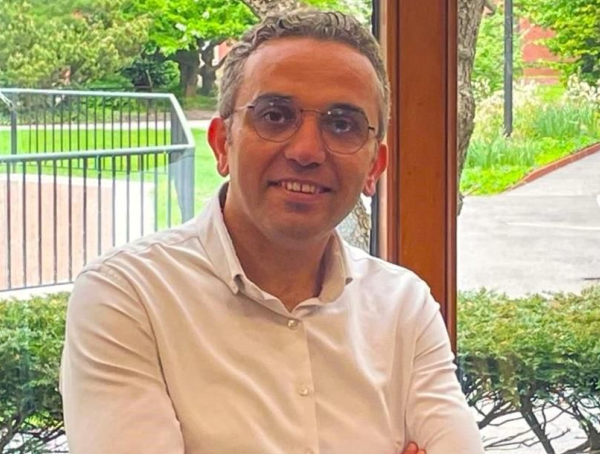
The intellectual landscape of the period will be approached through the works of major figures such as Nâbî (d. 1712), Naîmâ (d. 1716), Kâtip Çelebi (d. 1657), and Evliya Çelebi (d. 1682). Through these voices, Associate Professor Fatih Çalışır invites us to reflect on how the Ottoman Empire engaged both with the wider Islamic world and with Europe, and how new sources and new interpretive approaches can deepen our understanding of this formative century.